Catch Bite Problems Early, While They Are Still Easy to Fix
Early orthodontic treatment for kids — often called Phase I or interceptive orthodontics — happens while your child still has a mix of baby and permanent teeth, usually between ages seven and ten. At that age the jaw is still growing, and growth is something we can guide.
The goal is not straight teeth yet. The goal is making room, correcting a crossbite, or redirecting jaw growth so that the teenage years are simpler, shorter, and sometimes avoid extractions or surgery entirely.
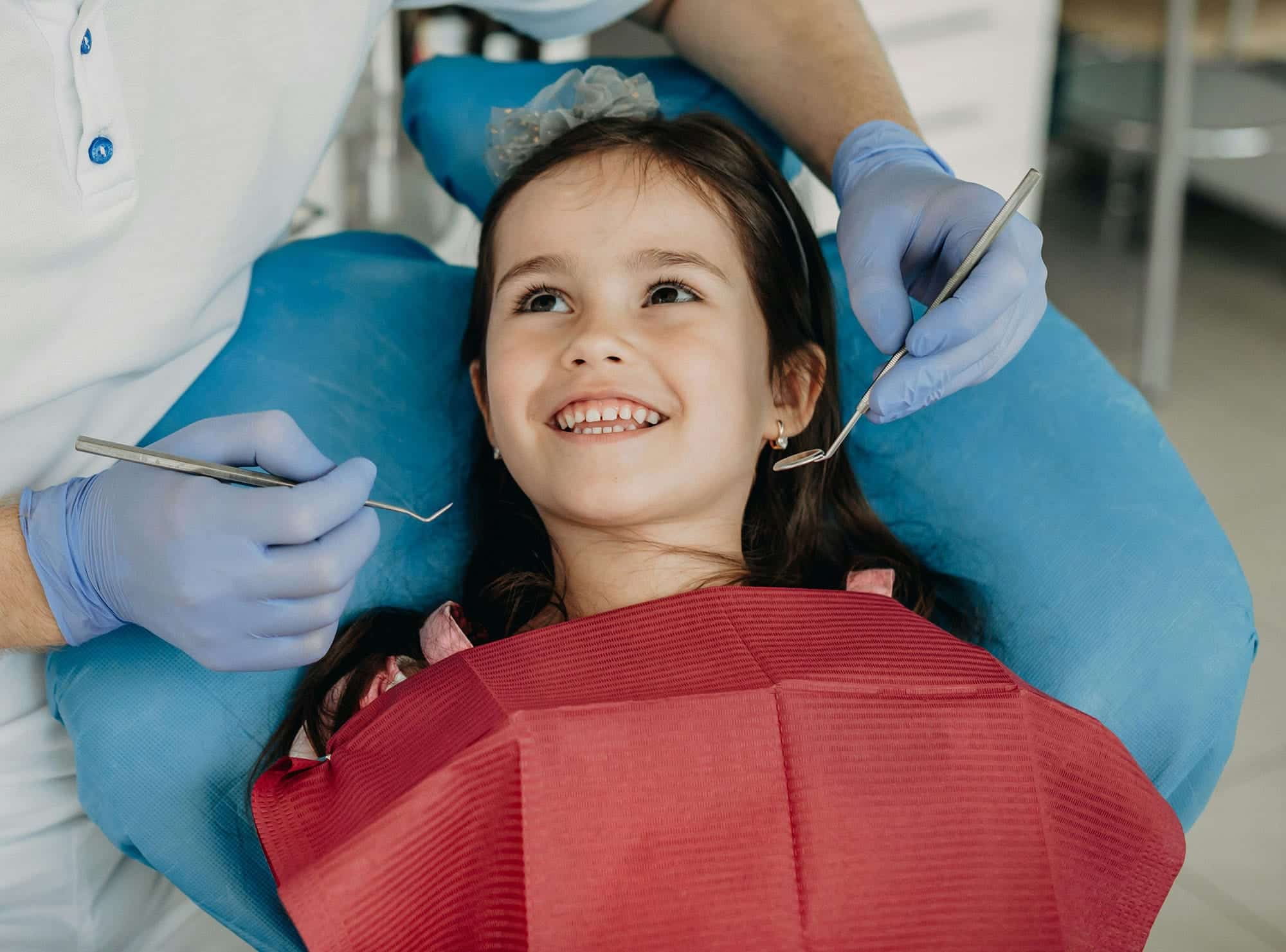
Why Early Orthodontic Treatment for Kids Works So Well at Age 7
The American Association of Orthodontists recommends a first orthodontic check-up by age 7. That is not because most seven-year-olds need braces — most do not. It is because a specialist can spot developing problems at an age when the jaw still responds to guidance.
A palatal expander at eight can create space that no appliance can create at fifteen. That is the entire argument for early care: some windows close.
- Growth is still active: the upper jaw can be widened before the growth plate fuses
- Space can be created: reducing or eliminating the need to extract permanent teeth later
- Crossbites get corrected early: before they push the jaw into an asymmetric growth pattern
- Habits can be addressed: thumb sucking and tongue thrust are easier to interrupt now
- Phase II gets shorter: when the foundation is right, full treatment is often faster
- Not every child needs it: many are simply monitored at no cost until the timing is right

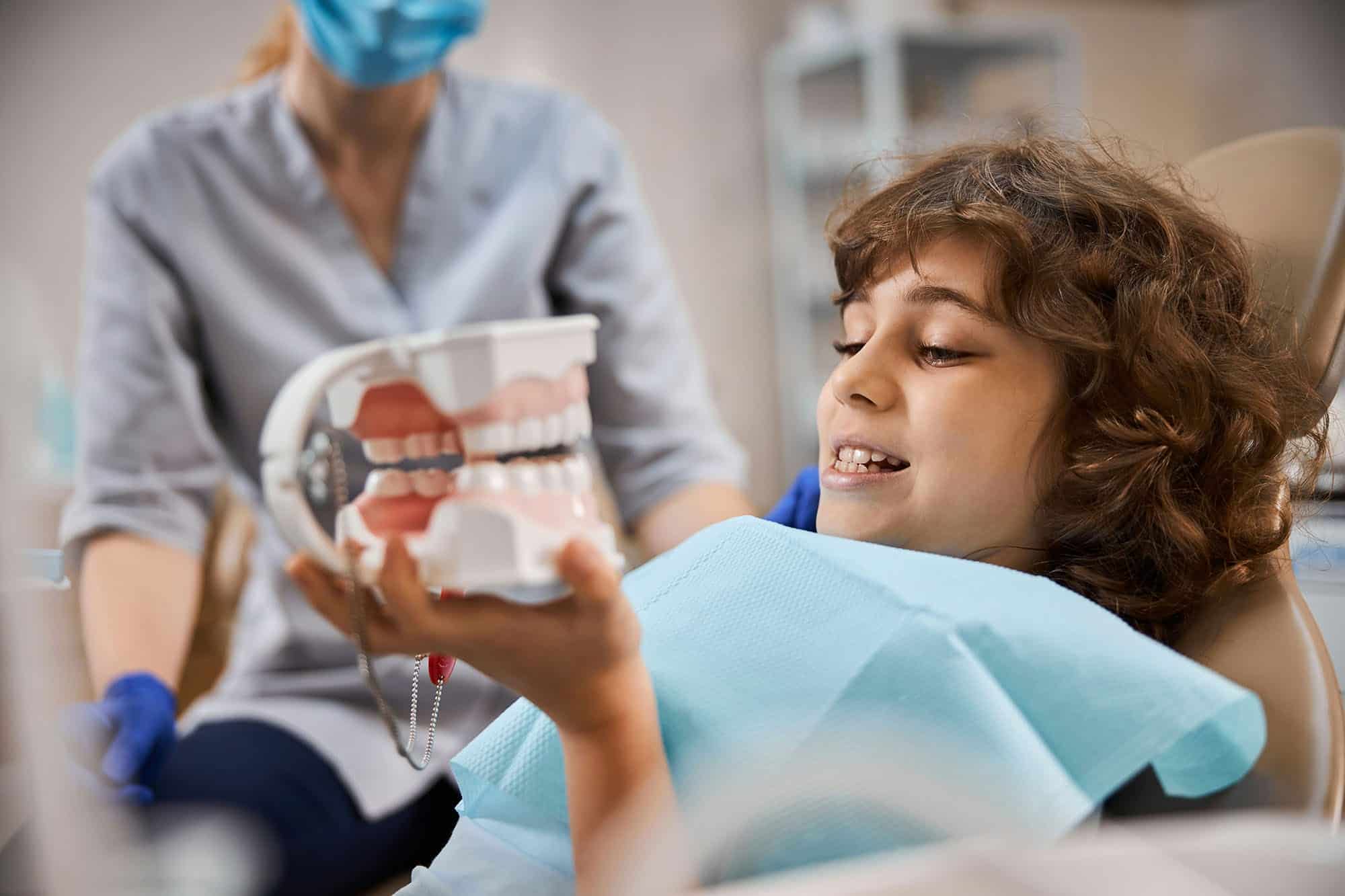
The 7 Warning Signs Parents Should Watch For
Most parents bring their child in because something looked off. These are the signals worth a free evaluation — none of them are emergencies, and none of them automatically mean braces.
STEP 1
The Free Age-7 Evaluation
Dr. Esposito examines how the permanent teeth are erupting, how the jaws relate, and whether anything is developing off track. This usually takes under thirty minutes and costs nothing.
STEP 2
Monitor, or Begin Phase I
Most children leave on a monitoring recall — we check growth every six to twelve months at no charge. If treatment is warranted now, we explain exactly which problem it solves and what happens if you wait.
STEP 3
Short, Targeted Treatment
Phase I typically runs 9 to 18 months and often uses one appliance, such as an expander or partial braces on the front teeth. It is deliberately limited — we fix the structural issue and stop.
STEP 4
Resting Phase and Reassessment
After Phase I, your child wears a retainer or holding appliance while the remaining permanent teeth come in. We reassess around ages 11 to 13 to decide whether comprehensive treatment is needed.
More Than a Head Start
Early care is about removing obstacles now so the teenage years are simpler.
Fewer Extractions Later
Creating arch space while the jaw is still widening can mean permanent teeth are never removed to relieve crowding — a decision that cannot be undone once it is made.
Shorter Phase II
When the bite foundation is corrected early, comprehensive treatment in the teen years is frequently faster and less complex, because the hardest structural work is already done.
Protecting Vulnerable Teeth
Severely protruding front teeth are far more likely to be chipped or knocked out in a fall or a sport. Bringing them into position early reduces that exposure during the most accident-prone years.
Confidence in Elementary School
Kids notice their teeth earlier than parents expect. Addressing a visible problem at eight rather than fourteen spares a stretch of self-consciousness during the years it lands hardest.
Why Lexington Families Trust Us With Early Treatment
The hardest part of early orthodontics is not the treatment — it is the judgment about whether to treat at all. Starting too early wastes money and goodwill. Waiting too long closes the window.
Dr. Christine Esposito is a Diplomate of the American Board of Orthodontics, and her award-winning research at UNC Chapel Hill focused specifically on guiding jaw growth in developing patients. That is the exact question early treatment turns on.
- Specialist judgment: board-certified orthodontist, not a general dentist offering occasional ortho
- Research background: AAO Thomas M. Graber Award for research on guiding maxillary growth
- Free monitoring: no-cost growth recalls for children who are not ready to treat
- Honest recommendations: we routinely tell families to wait
- One location: dental cleanings and orthodontic checks on the same visit
- A team kids already know: many Phase I patients have been our dental patients since toddlerhood
For general background on treatment types and timing, the American Dental Association maintains a plain-language overview of braces and orthodontic treatment.


Dr. Christine Esposito
Board-certified Orthodontist in Lexington, SC
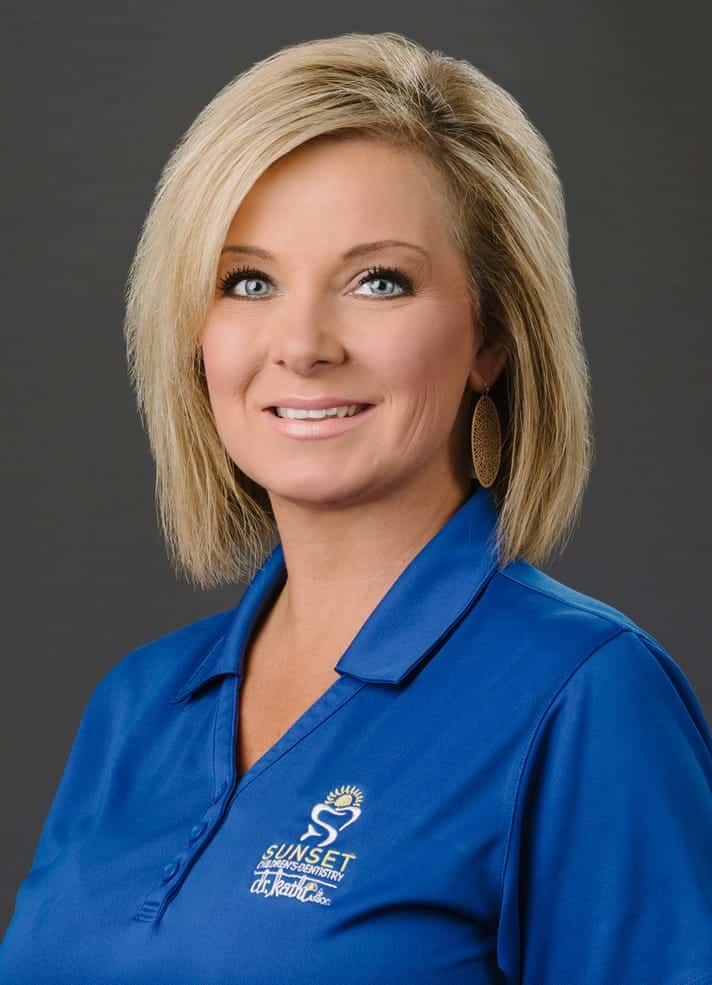
Dr. Kathi Sample
Trusted Children's Dentist in Lexington, SC
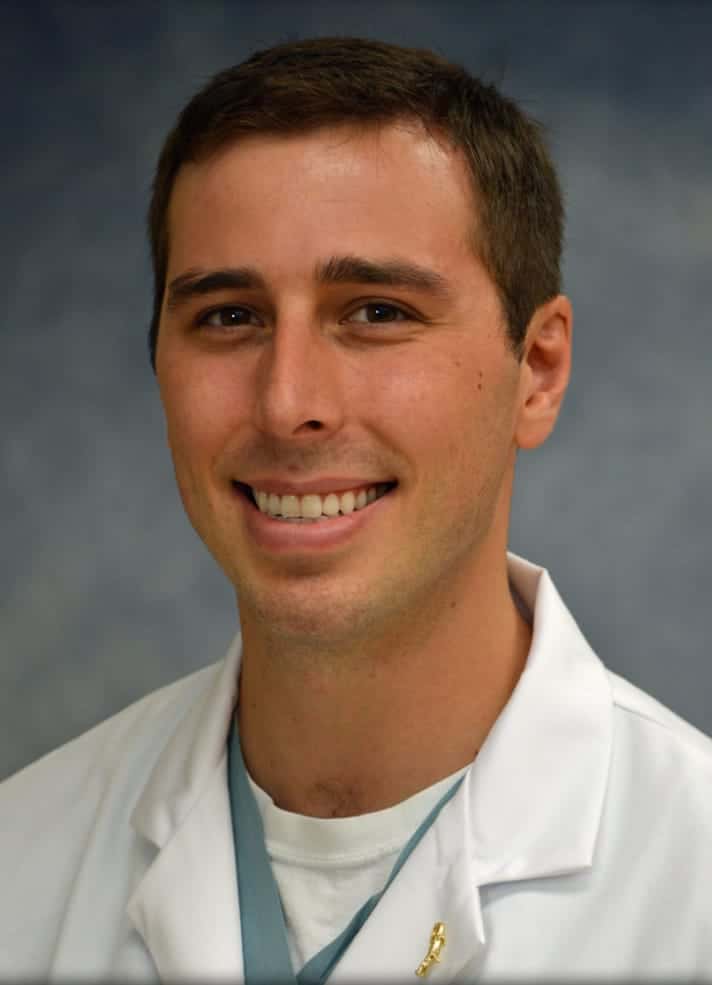
Dr. Jeffrey Jackson
Board-Certified Pediatric Dentist in Lexington, SC
Frequently Asked Questions
What Lexington parents ask most about Phase I care.
Explore Costs & Affordability
Phase I is a smaller investment than full treatment, and we quote it in full before we begin. We will also tell you honestly whether a second phase is likely, so you can budget for the whole path.
Payment Plans
Monthly payment plans spread Phase I cost across the treatment period.