When Braces Alone Cannot Correct the Jaw
Surgical orthodontics — also called orthognathic treatment — combines braces with a jaw procedure performed by an oral and maxillofacial surgeon. It is reserved for the small number of patients whose upper and lower jaws are mismatched in size or position by more than tooth movement can compensate for.
If you have landed on this page because someone mentioned jaw surgery, start here: most people who worry about it never need it, and the patients who do are typically finished growing. Nothing is decided at a consultation.
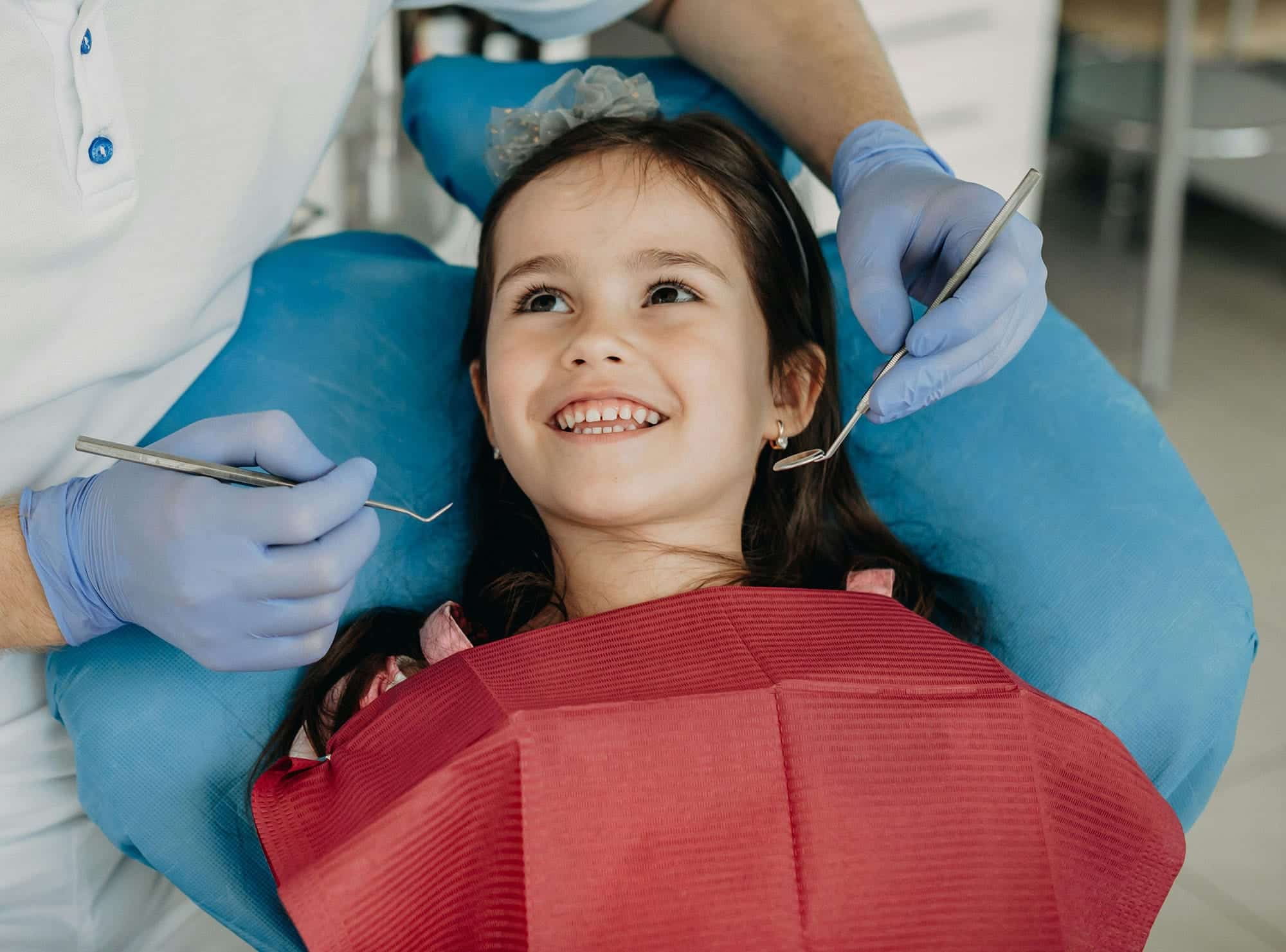
When Surgical Orthodontics Is Actually Recommended
Braces move teeth through bone. They do not move the bone itself. When the problem is the size or position of the jaws rather than the teeth, there is a limit to what brackets can disguise — and pushing past that limit causes its own damage, including gum recession and unstable results.
Growing children are a different case. A jaw discrepancy caught early can often be redirected with growth-guiding appliances, which is one of the strongest arguments for an evaluation by age seven.
- Significant underbite or overbite that does not resolve with growth
- Open bite where front teeth never meet, even when the back teeth touch
- Facial asymmetry from one jaw growing differently than the other
- Difficulty chewing, biting, or speaking that alignment alone will not fix
- Obstructive sleep apnea in selected cases, where jaw position restricts the airway
- Chronic jaw strain traced to a skeletal mismatch rather than tooth position


Learn More About Surgical Orthodontics at Sunset Children’s Dentistry
Surgical cases involve two providers working from one shared plan. Here is how the pieces fit together, and what each stage involves.
STEP 1
Evaluation and Second Opinion
We take records and tell you honestly whether the discrepancy is skeletal or dental. If it is borderline, we lay out both the surgical and non-surgical paths with their tradeoffs. Many patients leave this visit relieved.
STEP 2
Pre-Surgical Orthodontics
Braces align the teeth within each jaw, which often makes the bite look temporarily worse before it gets better. This stage commonly runs 12 to 18 months, and it is what allows the jaws to fit together properly once repositioned.
STEP 3
The Surgical Procedure
Your oral surgeon repositions one or both jaws in a hospital or surgical center under general anesthesia. Dr. Esposito coordinates the plan with the surgical team, so both offices are working from the same records.
STEP 4
Finishing and Retention
After healing, braces stay on for several months to settle the bite precisely. Retainers follow, and are non-negotiable after a surgical case. Retainers →
More Than a Straighter Smile
Correcting a skeletal mismatch changes daily function, not just appearance.
Chewing That Works
Patients with open bites or severe underbites often cannot bite through food with their front teeth at all. Restoring the jaw relationship restores normal function, which is usually the change patients notice first.
Clearer Speech
Certain sounds depend on where the tongue meets the teeth. When the jaws are significantly mismatched, speech adapts around the problem — and often improves once the structure is corrected.
Stable, Lasting Results
Attempting to camouflage a large skeletal discrepancy with tooth movement alone tends to relapse and can strain the gums. Correcting the underlying structure produces a result that holds.
Relief From Jaw Strain
Some patients with long-standing skeletal discrepancies report meaningful improvement in jaw comfort after correction, though outcomes vary and this is never the sole reason to proceed.
Why Choose Sunset Children’s Dentistry to Coordinate Your Care?
The orthodontist’s most valuable contribution in a surgical case is often deciding that you do not need surgery. Dr. Christine Esposito is a Diplomate of the American Board of Orthodontics with residency training at UNC Chapel Hill and research focused on guiding jaw growth — the discipline that determines whether a young patient can avoid the operating room entirely.
When surgery is genuinely indicated, she coordinates directly with your oral surgeon so you are not carrying records between two offices.
- Board-certified orthodontist: Diplomate, American Board of Orthodontics
- Conservative approach: surgery recommended only when the evidence supports it
- Coordinated care: shared planning with your oral and maxillofacial surgeon
- Early intervention focus: growth guidance that can prevent surgical cases in children
- Clear timelines: the full multi-year sequence explained before you commit
- One dental home: routine care continues here throughout treatment


Dr. Christine Esposito
Board-certified Orthodontist in Lexington, SC
Frequently Asked Questions
Straight answers to the questions patients are most anxious about.
Explore Costs & Affordability
Surgical cases involve two separate fees: orthodontic treatment through our office, and the surgical procedure billed by your oral surgeon. We will make sure you understand both before starting.
Orthodontic Payment Plans
Monthly plans cover the orthodontic portion across the full treatment period.